

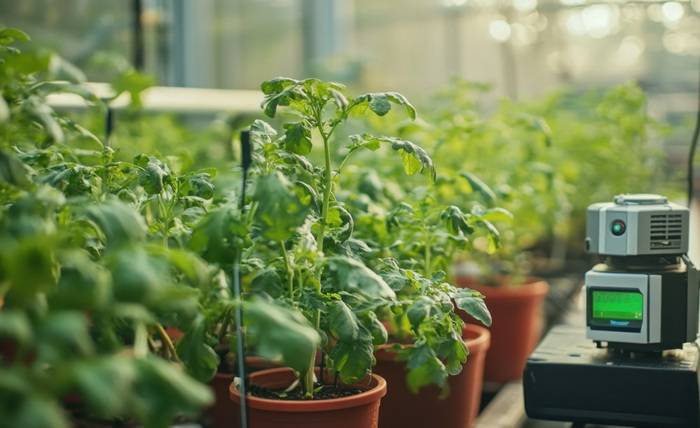
Tractors steer themselves now. Drones check crops for bugs and disease. Small sensors in the soil that detect plant thirst issue alerts. Modern farming methods give an edge over older practices. Grandpa managed perfectly well by walking fields and examining soil. Today’s farmers get updates on their phones while drinking morning coffee. The land talks to them through data streams, and that changes everything about growing food.
How Connected Farms Actually Work
Sensors everywhere; that’s the basic idea. Tiny gadgets measure soil wetness, track temperatures, test nitrogen, and count gallons of milk per cow. All this information shoots through wireless networks to computers. Then the real magic happens. Software spots patterns that no human would catch. Say the south forty acres starts drying out. Sensors notice before plants wilt. Sprinklers fire up automatically. Or maybe frost threatens tonight’s strawberry crop. Your phone screams at 2 AM with a warning. You roll out of bed, flip some switches, save the harvest. No standing outside with thermometers hoping that you guessed right.
But here’s where it gets wild. Mix weather reports with dirt conditions and growth rates. Throw in market prices and fuel costs. Computers digest all this and tell you the perfect day to plant corn. They predict how many bushels you’ll harvest while crops still have green leaves. Try doing that math in your head.
The Money Side of Smart Farming
Sensors and computers cost real money. But they pay you back. Traditional farming practices involve widespread fertilizer application as a precautionary measure. Sensors indicate precisely where nutrients are required. Fertilizer bills drop hard. Same with water; why flood fields that are already wet enough? GPS tractors never overlap rows when spraying. Every penny spent on chemicals actually hits a plant instead of bare dirt.
You save on workers, too. It used to take three guys all morning to check equipment scattered across the property. Now, one person glances at a screen and knows every pump, gate, and storage tank is working fine. Freezer conking out with $10,000 of beef inside? The phone rings before the meat thaws. IoT agriculture solutions make tracking farm operations simple from anywhere. Blues IoT builds cellular modules that connect equipment even in dead zones where phones barely work. Farmers run massive operations from pickup trucks thanks to systems that pull data from machines spread across counties.
Challenges Farmers Face
Let’s be honest. Internet service in rural areas is poor. Cell towers are scarce in farm country. Sensors need connections to phone home, but good luck getting a signal past the barn. Some folks rig up satellite dishes or build private networks. It works, but it gives headaches nobody wants. Old-timers don’t always trust computers either. A seasoned farmer relying on intuition might disregard an app’s advice. Kids raised on Xbox learn farm tech fast. They typically end up teaching dad. Then there are hackers. Sounds crazy, but crop data is worth stealing. Competitors want your data: yields, soil maps, customer lists. Someone could tamper with irrigation systems as a prank. Farms require computer security.
Conclusion
New gadgets pop up every planting season. Smarter this, faster that. Nobody needs to buy everything, though. Start simple. Stick moisture sensors in your best field. See how it goes. Add GPS to one tractor. Learn the ropes before going the whole hog. Tomorrow’s successful farms will mix old wisdom with new tools. No computer knows your land like you do after working it for decades. But computers help you see things you’d miss. They turn hunches into hard data. They make good farmers better at what they already do well. That’s the real promise here – ancient knowledge backed by modern precision.