

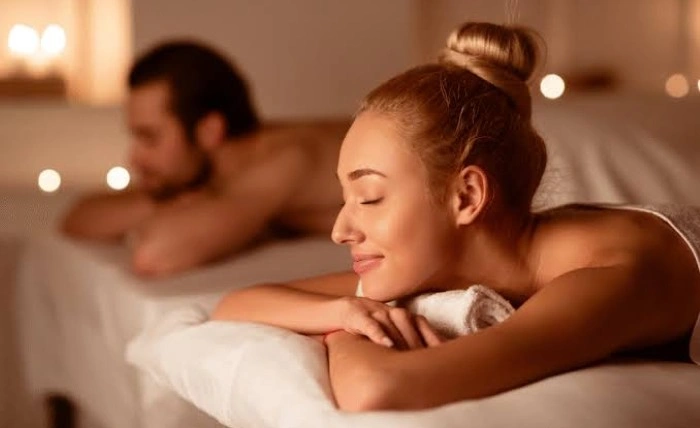
Long work hours, continual digital exposure, and rising stress levels are common features of modern living. People are consequently becoming more aware of the significance of striking a balance between mental, emotional, and physical health. A wellness spa is now seen as a nurturing setting that promotes long-term self-care routines and holistic healing rather than as an occasional indulgence.
Modern wellness centres, in contrast to conventional beauty-focused treatments, are intended to target general welfare. To assist people in regaining equilibrium in their everyday lives, they integrate mindfulness practices, relaxation therapies, and health-focused activities.
Moving Beyond Beauty Treatments
Over time, the idea of self-care has undergone substantial change. Wellness experiences now go beyond massages and facials. Numerous facilities use techniques including hydrotherapy, meditation, aromatherapy, and stress-reduction plans.
These treatments are designed to facilitate mental relaxation while assisting the body’s natural healing processes. Wellness providers promote healthy practices that can improve long-term quality of life by using a holistic approach.
Supporting Mental and Emotional Wellness
Anxiety and stress are becoming prevalent issues in modern society. The relationship between mental and physical health is becoming more and more evident in research. As a result, a lot of people are looking for settings that encourage mindfulness and serenity.
Breathing techniques, guided relaxation sessions, and massage therapies can all assist ease stress and promote mental clarity. People can develop healthier coping strategies and re-establish a connection with themselves by taking time apart from the stresses of daily life.
The Role of Holistic Healing
Instead of treating specific symptoms, holistic healing emphasises treating the person as a whole. This worldview acknowledges the interdependence of lifestyle choices, mental health, and physical health.
To promote total balance, several wellness centres combine restorative therapy, dietary advice, and natural remedies. These methods support healthy habits and encourage people to be more conscious of their sleep, movement, and stress reduction.
Personalised Wellness Experiences
The focus on personal needs is one of the characteristics that set modern health centres apart. Individuals differ in their choices for leisure, health issues, and lifestyles. As a result, individualised treatments and programs are becoming more widespread.
In order to produce well-rounded experiences, several institutions also blend traditional methods with modern wellness practices. This changing strategy indicates a rising awareness that self-care should be flexible and long-lasting rather than transient or one-dimensional.
A Thoughtful Approach at Empower Wellness Spa
One such organisation taking up this broader philosophy is Empower Wellness Spa. It represents the growing emphasis on relaxation, mindfulness, and customised wellbeing experiences rather than just cosmetic procedures. Its strategy is in line with broader industry trends that acknowledge the need to foster emotional equilibrium and physical comfort as components of regular self-care.
Conclusion
The significance of wellness spas will likely become even more important as awareness of preventive health and mindful living grows. By supporting holistic treatment, encouraging better lives, and offering encouraging surroundings where people may regain equilibrium and put their general wellness first, these spaces are contributing to the redefining of self-care.