

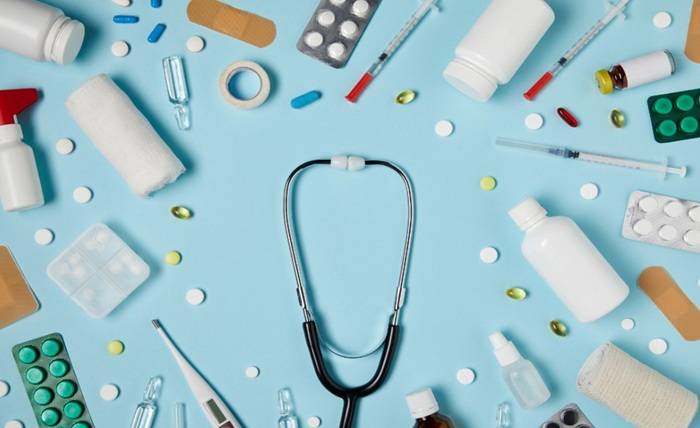
Healthcare continues to evolve quickly, and the medical supplies professionals rely on every day are evolving with it. In 2026, hospitals, clinics, nursing programs, urgent care centers, and private practices are looking for tools that support efficiency, safety, comfort, and better patient outcomes. While technology is playing a larger role than ever, the best medical supplies still share one important purpose: helping healthcare professionals provide dependable care with confidence.
Here are the top medical supply trends shaping 2026 and what healthcare professionals are prioritizing.
Portable and Easy to Use Diagnostic Tools
Healthcare providers are placing greater emphasis on compact diagnostic tools that can be used quickly in a variety of settings. Whether in an exam room, emergency response environment, school clinic, or home health visit, portability matters.
Items such as pulse oximeters, blood pressure monitors, thermometers, otoscopes, and glucose meters remain essential because they provide fast information that supports decision making. In 2026, professionals are prioritizing devices that are lightweight, durable, easy to disinfect, and simple to operate during busy shifts.
High Quality Stethoscopes Still Matter
Even with the rise of digital devices and advanced imaging, stethoscopes remain one of the most important tools in healthcare. Nurses, physicians, EMTs, medical students, and respiratory professionals rely on them for everyday assessments of heart, lung, and bowel sounds.
In 2026, healthcare workers are looking for stethoscopes that offer clear acoustics, comfortable earpieces, lightweight construction, and long lasting tubing. Some providers are also exploring digital stethoscopes with recording features or sound amplification, especially in teaching environments and telehealth applications. Still, the core need remains the same: reliable sound quality during patient care.
Infection Control Supplies Remain a Priority
The importance of infection prevention has not faded. Healthcare facilities continue to prioritize masks, gloves, disinfectants, gowns, face shields, and sanitation supplies that protect both patients and providers.
In 2026, the focus is on products that balance safety with comfort. Gloves need to be durable but flexible. Masks need to be protective but breathable. Cleaning products need to be effective without damaging equipment or surfaces. Healthcare teams want supplies that support strong infection control protocols without slowing down care.
Ergonomic Supplies for Long Shifts
Healthcare professionals spend long hours on their feet, often moving quickly between patients. As a result, ergonomic tools and comfort focused supplies are becoming more important.
Supportive footwear, compression socks, lightweight bags, comfortable scrubs, and well designed clinical accessories can reduce fatigue throughout the day. Even small improvements, such as better penlights or easier to carry trauma shears, can make daily work feel more manageable.
In 2026, medical supplies are not just about patient care. They are also about supporting the professionals delivering that care.
Home Health and Remote Care Equipment
As more care shifts outside traditional clinical settings, home health supplies are becoming increasingly important. Patients are using more at home monitoring tools, and providers need equipment that is accurate, accessible, and easy for patients to understand.
Blood pressure cuffs, thermometers, mobility aids, wound care supplies, and medication organizers are all part of this trend. Healthcare professionals are prioritizing products that help patients participate more actively in their own care.
Durability and Long Term Value
Budgets matter in every healthcare environment. In 2026, purchasing decisions are increasingly focused on value rather than simply the lowest upfront cost. Healthcare professionals want supplies that hold up to frequent use, clean easily, and maintain performance over time.
Durable tools reduce replacement costs and help teams avoid interruptions caused by unreliable equipment. For students and new professionals, investing in quality essentials early can also make the transition into clinical practice smoother.
Technology That Supports Workflow
Technology enabled medical supplies are also gaining attention. Devices that connect to apps, store readings, or integrate with digital records can improve workflow and documentation. However, healthcare professionals are looking for technology that is practical rather than complicated.
The best tools are those that save time, reduce errors, and make patient care more efficient without adding unnecessary steps.
Medical supply trends for 2026 reflect a healthcare environment that values safety, comfort, accuracy, and efficiency. From dependable stethoscopes and diagnostic tools to infection control products and home health equipment, professionals are prioritizing supplies that make care easier and more effective.
As healthcare continues to change, the most valuable medical supplies will be those that support both patients and providers. The right tools help healthcare teams work with confidence, stay organized, and deliver the best possible care in every setting.